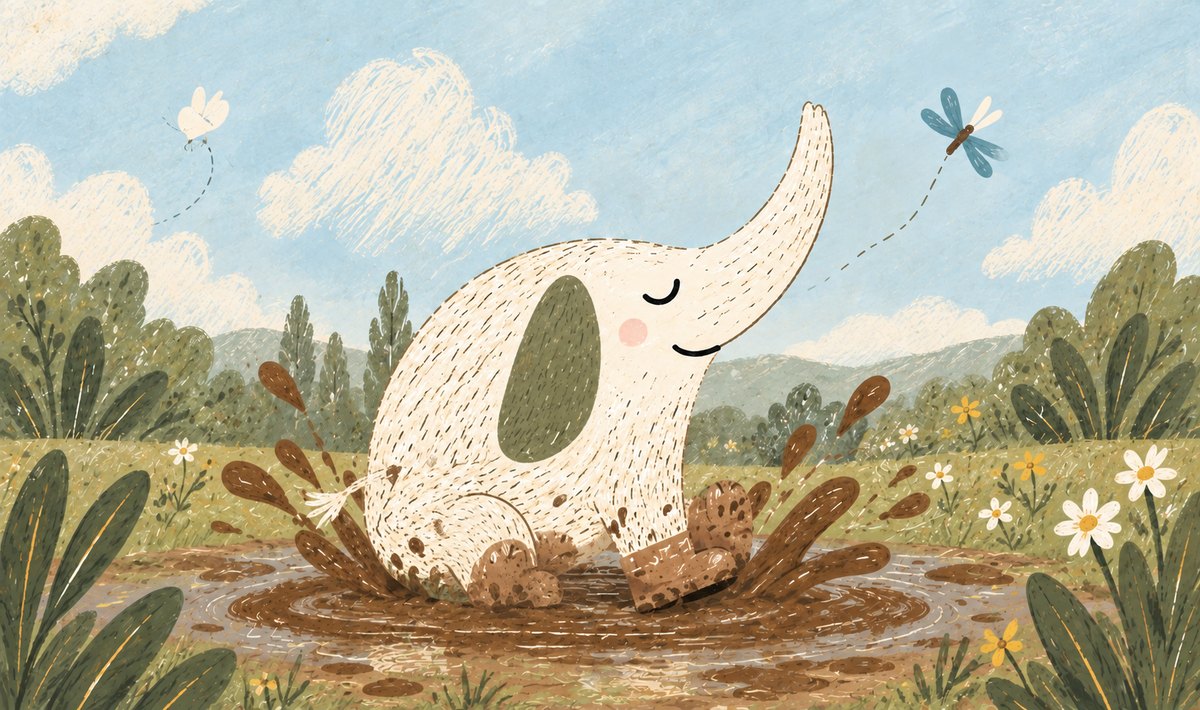
To a child, a puddle is a game; to a parent, it means wet socks and worrying about a cold. When buying shoes, we often come across two words: "water-repellent" and "waterproof". At first glance they sound the same, but there's a big difference between them.
Water-repellent shoes
The leather or suede of water-repellent shoes is treated with a special finish. Water beads up on the surface and rolls off. Shoes like these handle light rain, wet grass and damp streets. But if your child jumps in puddles for a long time, the water will get in sooner or later.
On the plus side, water-repellent shoes breathe: the foot sweats less, which matters a lot for a child who is on the move all day.
Waterproof shoes
Waterproof shoes have a special layer inside — a membrane — and sealed seams. Water can't get in, even if your child jumps right into a puddle. But the membrane lets less air through, so feet can get sweaty in warm weather or indoors.
Which to choose
For everyday wear — nursery, school, around town — water-repellent shoes are enough.
For long spells of rain, snow and deep puddles — waterproof shoes or wellies.
If the shoes get wet anyway, change your child into dry socks — wet feet get cold faster.
Our shoes in the rain
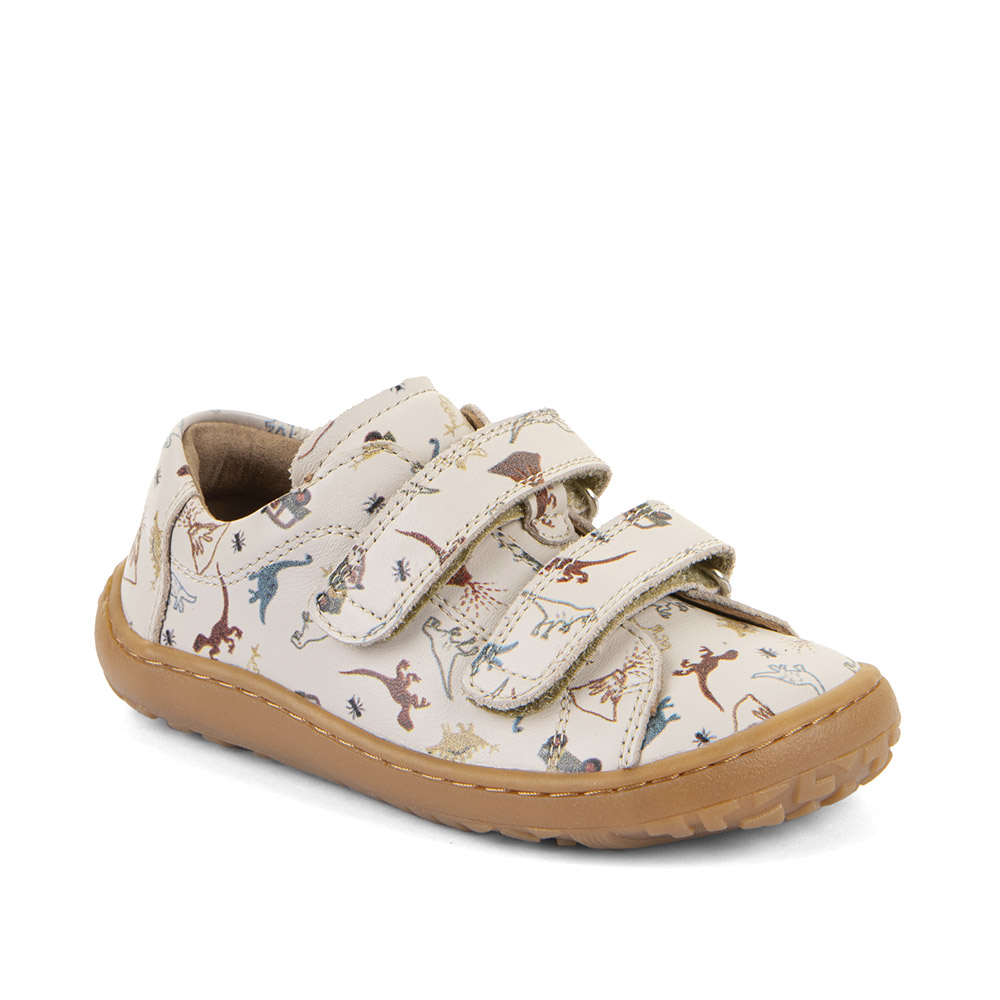
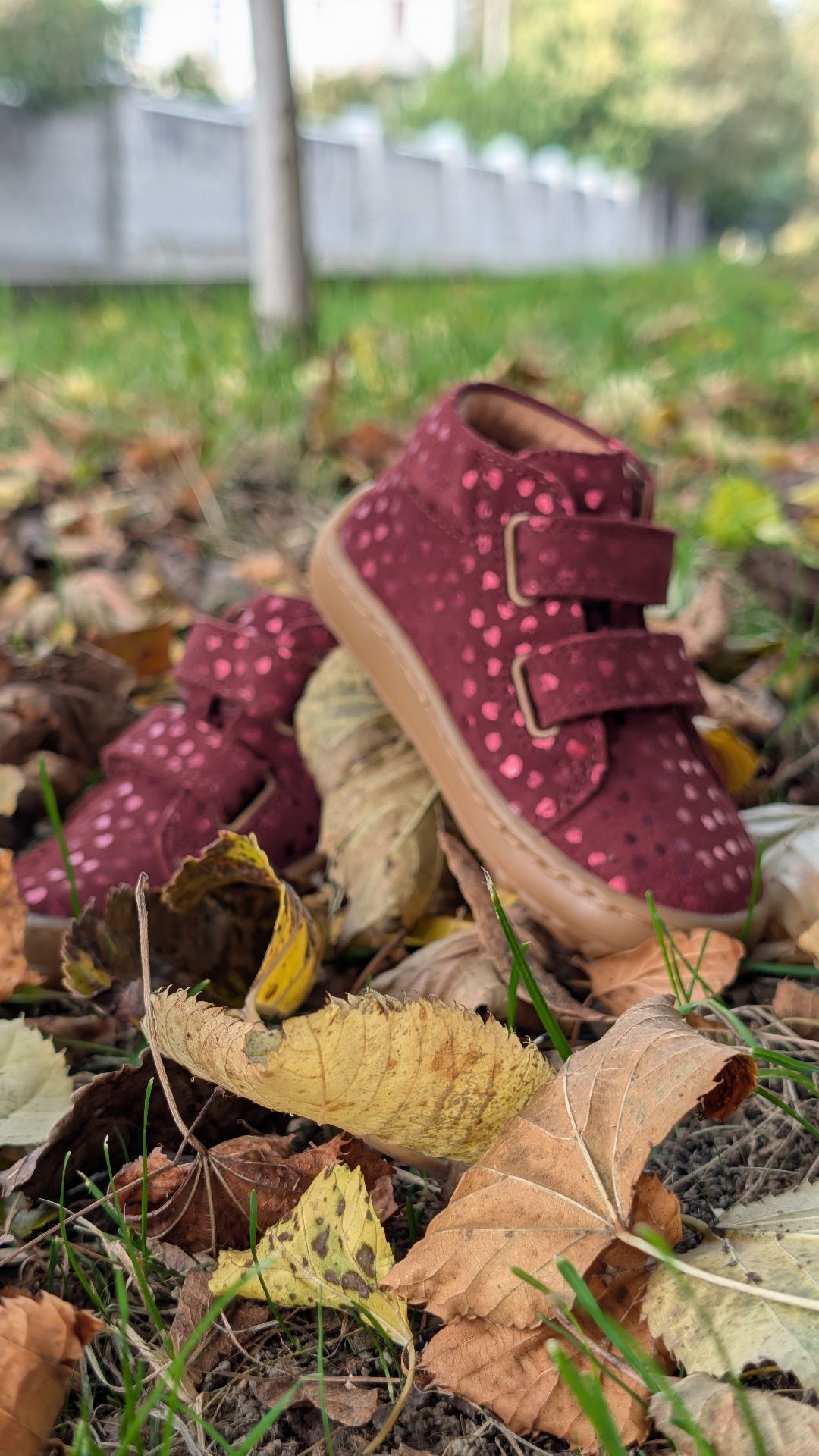
In our catalogue, many Froddo models are made from water-repellent leather, nubuck or suede — you'll find this in the material description on each shoe's page. These shoes are still barefoot shoes: a thin, flexible sole, a wide toe box and no heel.
How to look after your shoes
Wipe off mud with a soft, damp cloth — if needed, with mild soap and lukewarm water.
Dry wet shoes at room temperature, not on a radiator or with a hairdryer: heat dries the leather out and makes it crack.
If the insole is removable, take it out and dry it separately.
Reapply a water-repellent treatment from time to time — that way the shoes keep out water for longer.
Rain is no reason to stay indoors. The right shoes, dry socks — and puddles bring nothing but fun.